







 Get In Touch


Clean steel production is defined by the ability to control chemical composition with absolute accuracy and extreme precision while maintaining production efficiency. As impurity limits tighten and performance expectations rise, steelmakers increasingly rely on Optical Emission Spectroscopy (OES) to achieve consistent, low-impurity steel without sacrificing throughput.
By enabling fast, accurate chemical verification at multiple stages, Optical Emission Spectroscopy in Steel Industry environments have become central to modern clean steel strategies.
Why Clean Steel Production Demands Higher Analytical Accuracy
The Process Reality of Clean Steel Manufacturing
Clean steel production focuses on reducing non-metallic inclusions and controlling trace elements such as sulphur, phosphorus, oxygen, and nitrogen. These elements must be monitored continuously during melting and refining to prevent quality degradation.
This makes steel chemical composition testing a real-time operational requirement rather than a final inspection step.
Challenges Without High-Accuracy Analysis
Without sufficiently accurate analytical tools:
- Trace impurities remain undetected until downstream failures occur
- Over-correction leads to increased alloying costs
- Inclusions form due to uncontrolled chemistry
- Scrap and rework rates rise
Such limitations directly undermine efficiency in steel production OES workflows.
Why OES Is Essential for Clean Steel
Optical Emission Spectroscopy delivers the analytical accuracy required to detect trace elements at single and low ppm levels, enabling early intervention and superior control. This makes OES in clean steel production a foundational technology rather than a support function.
What Is Optical Emission Spectrometry (OES) and How It Works
Spectrometry as a Measurement Science
Optical Emission Spectrometry is based on the principle that each element emits light at unique wavelengths when excited. By measuring these wavelengths and their intensities, spectrometry determines both elemental identity and concentration.
For clean steel, this capability is critical for trace element detection in steel, where even small deviations can influence performance.
The Role of the Spectrometer
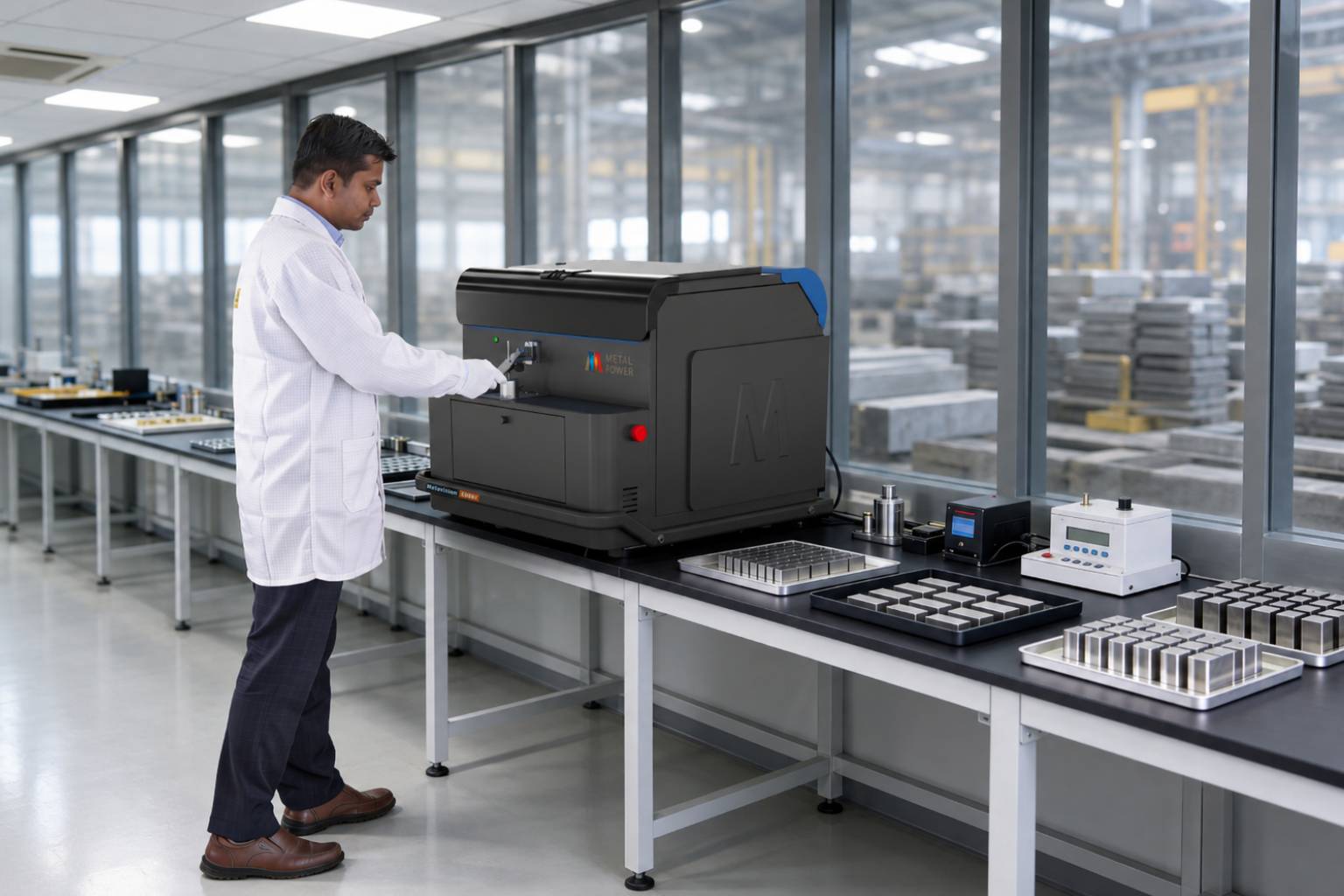
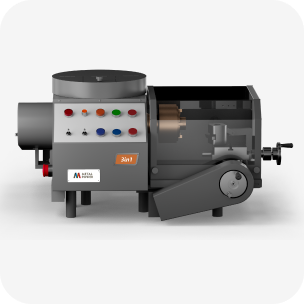
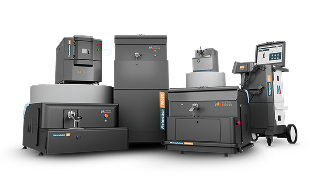
An Optical Emission Spectrometer is an instrument that converts emitted light into quantitative data. In steel applications, the spectrometer must remain stable across temperature fluctuations, high sample throughput, and prolonged operation.
Its design directly affects the reliability of OES steel analysis results.
Why Spectrometry Is Preferred in Clean Steel Applications
Steelmakers prefer spectrometry because it offers:
- High accuracy across major and trace elements
- Repeatable results under industrial conditions
- Applicability across steel grades and alloy systems
- Compliance-ready data
For OES for steel quality control, these attributes are essential to maintaining purity standards.
How OES Works in Practice for Clean Steel
In Spark Optical Emission Spectrometry, a controlled discharge excites atoms on the steel surface. The emitted light is captured and analysed by the spectrometer to determine elemental concentrations.
This process enables real-time steel quality testing, allowing chemistry corrections before inclusions or defects of form.
Key Efficiency Gains from OES in Steelmaking
Reduced Melt-to-Decision Time
In clean steel operations, delays in chemistry confirmation increase energy consumption and holding time. OES shortens the interval between sampling and action.
By enabling rapid feedback, OES steel melt analysis supports faster and more controlled production cycles.
Minimised Scrap & Rework
Uncontrolled impurities are a leading cause of rejection. Without accurate detection, defects only surface after casting or rolling.
Optical Emission Spectroscopy for steel reduces scrap by identifying deviations early, directly contributing to scrap reduction in steel mills.
Real-Time Data for Process Control
OES provides real-time chemical data as the melt progresses, thus operators are able to control/adjust the process in real time. They can eliminate problems earlier rather than discover them later. This will maintain the quality of steel constant and give an increase in efficiency in steel production.
OES Applications in Clean Steel Respecting Chemical & Structural Purity
Trace Element Detection (S, P, O, N, B)
Clean steel requires precise control over impurity elements. Trace element detection in steel using OES ensures sulphur, phosphorus, oxygen, and nitrogen remain within permissible limits.
Special Alloys & High-Performance Steel Grades
Advanced steel grades demand tighter chemistry windows. How OES improves steel purity becomes evident in these applications, where accuracy directly determines performance.
Integrating OES into Industry 4.0 for Steel Mills
Digital Dashboards & Automated Alerts
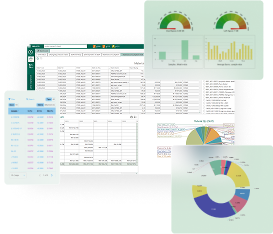
Modern OES platforms offer real-time dashboards that highlight deviations instantly, supporting faster corrective action.
Data Connectivity with LIMS/MES
Integration with LIMS/MES facilitates a smooth transfer of OES results and has the advantage of full traceability of results and uniform documenting quality across production. Metal Power Analytical spectrometers feature LIMS integration to minimise manual entry of data, minimise reporting errors and provide faster customised reporting to Industry 4.0 settings.
Automated Inclusion Characterisation
By correlating analysis data with inclusion trends, a rapid, online method used mainly in steel production to determine the size, distribution, and chemical composition of non-metallic inclusions in steel samples during manufacturing, OES supports cleaner steel outcomes.
Conclusion: Delivering Efficiency & Sustainability through OES
Clean steel requires good management of chemistry and impurities. OES allows rapid, accurate and precise analysis of steel, assisting steelmakers in making prompt decisions in the course of melting and refining. This eliminates melt-offs, eliminates erroneous alloy additions and scrap.
Through appropriate sampling, calibration and utilising trained operators, and linking OES to LIMS/MES dashboards, steel plants can get consistent quality, increased traceability, and cleaner steel with reduced wastage.
About Author


 On this page