








 Get In Touch


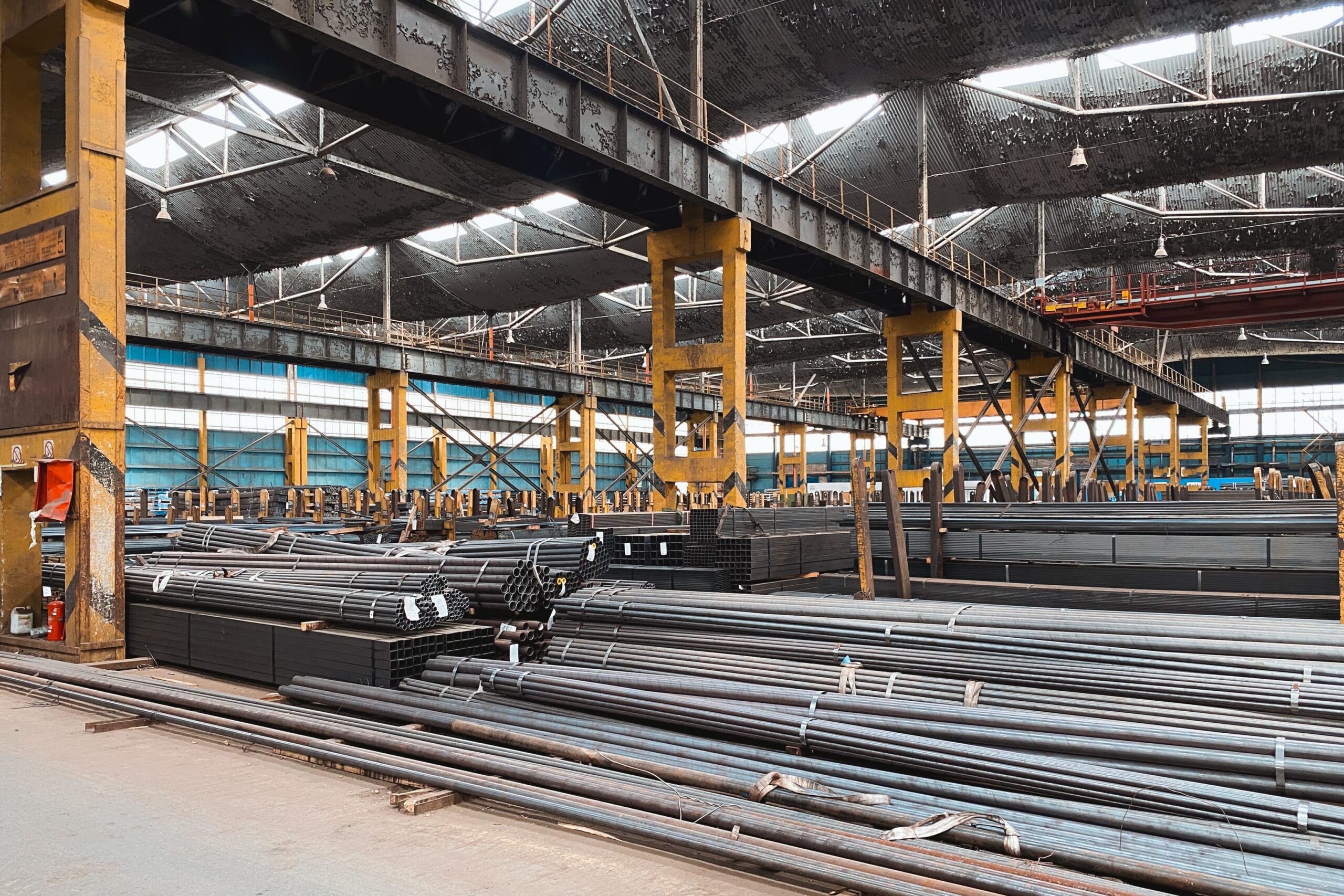
Steel manufacturing operates within extremely narrow chemical tolerances. Minor deviations in composition can compromise mechanical performance, downstream processing, and regulatory compliance. In this context, Optical Emission Spectrometry (OES) has become the backbone of steel quality control – enabling manufacturers to analyse, correct, and certify steel chemistry with confidence.
In this environment, Optical Emission Spectrometry (OES) has become the backbone of steel quality control. It allows steelmakers to measure, control, and certify steel chemistry with confidence, rather than relying on assumptions.
From melt shop operations to final certification, OES in steel manufacturing ensures that chemical control is not assumed but verified.
Why Spark OES Is the Method of Choice in Steel Manufacturing
The Process in Steelmaking
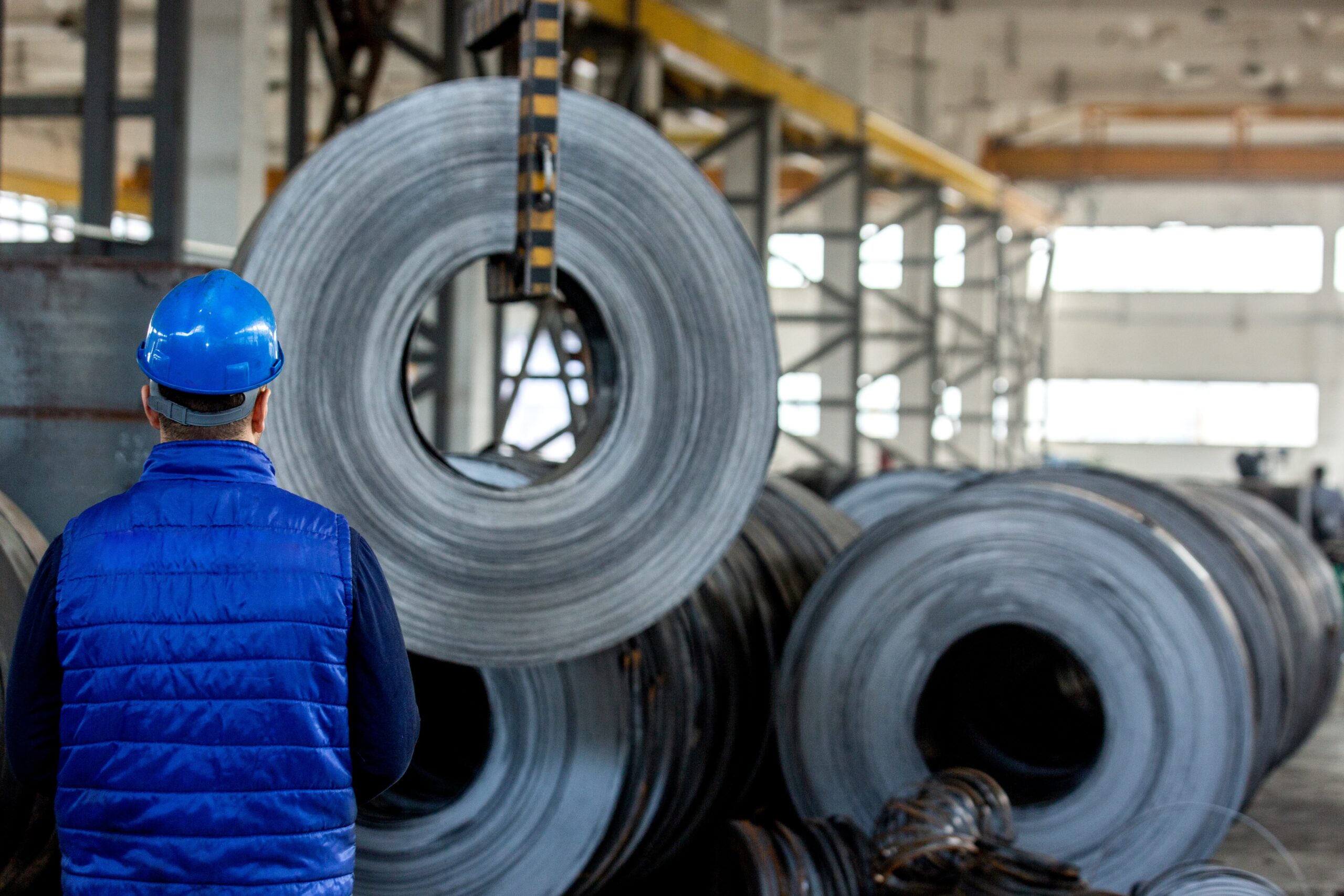
Steel production involves multiple stages where chemical composition must be controlled – melting, alloying, refining, casting, and finishing. At each stage, metallurgists and manufacturers must confirm that elemental concentrations remain within specification before proceeding.
This makes steel chemical composition testing a continuous operational requirement rather than a periodic laboratory exercise.
Challenges Without Reliable Chemical Analysis
Without accurate, rapid analysis:
- Melt corrections are delayed or excessive
- Off-spec heats progress downstream
- Scrap, rework, and energy losses increase, which inadvertently result in a cost increase
- Certification becomes reactive rather than assured
Why Spark OES is Essential for Steel Manufacturing?
Spark OES directly analyses solid steel samples, delivering high analytical accuracy, low detection limits, and fast results. Unlike indirect or slower methods, Optical Emission Spectroscopy in Steel Industry environments integrates seamlessly into production workflows.
This makes the Optical Emission Spectrometer (OES) the preferred instrument for real-time analysis and decision-making in steel plants.
What Is Optical Emission Spectrometry (OES) and How It Works
Understanding Spectrometry
Optical Emission Spectrometry is a scientific technique used to identify and quantify elements based on their interaction with energy. Every element emits light at specific wavelengths when excited. Measuring these wavelengths allows accurate identification of elemental composition. In metallurgy, this principle forms the foundation of metal analysis using OES.
What Is a Spectrometer?
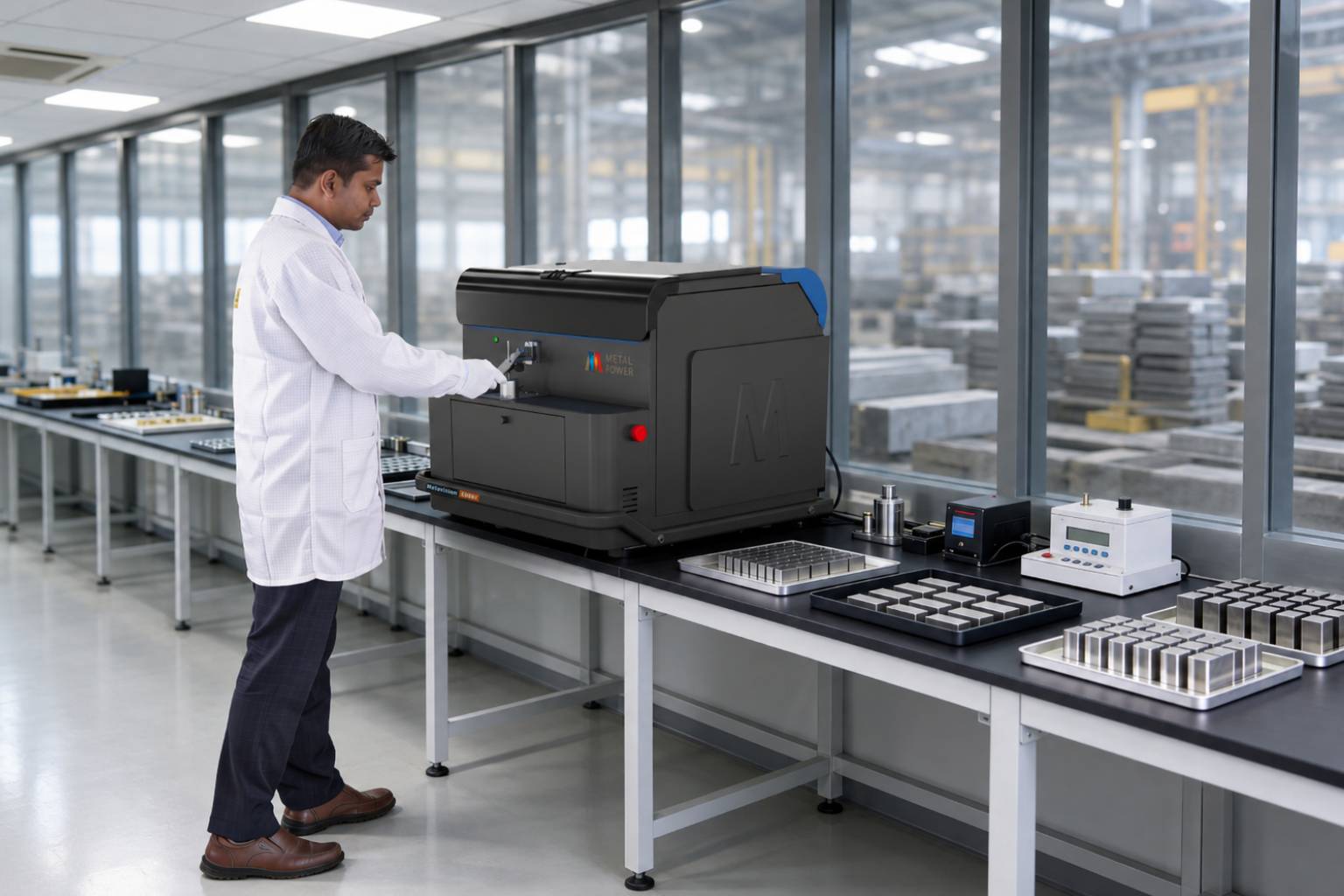
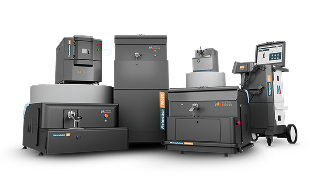
A spectrometer is an analytical instrument that is used to measure the light emitted by a substance.
An Optical Emission Spectrometer (OES) is used in the industrial world to analyse this light and determine the elements contained in the substance.
Accuracy and reliability of the OES are determined by the quality of optics, the stability of the detector, appropriate control of the source of excitation, and effective software analysis.
Why Spectrometry Is Preferred in Industry
Industries rely on spectrometry because it delivers:
- High analytical accuracy across multiple elements
- Reliable and repeatable results
- Applicability across alloys, grades, and matrices
- Traceable data for audits and certification
For OES testing in steel production, this reliability is crucial for maintaining consistent and repeatable output.
Working Principle of Spark OES in Practice
In Spark Optical Emission Spectrometry, a controlled electrical discharge excites atoms on the steel sample surface. As these atoms return to their ground state, they emit element-specific light.
- Captures emitted spectra
- Separates wavelengths optically
- Measures signal intensity
- Converts signals into elemental concentrations
This process enables fast and accurate steel chemistry analysis for quality analysis, even at trace levels.
The Core of OES in Steel Quality Control
Steel Quality Control Workflow
In a typical steel plant, OES steel analysis is applied at:
- Incoming raw material inspection
- Melt chemistry verification
- Alloy correction stages
- Final product certification
This positions the Optical Emission Spectrometer (OES) as a central control instrument rather than a post-process check.
Pain Points Without OES Integration
Without embedded OES quality control in steel production:
- Chemistry deviations are detected too late
- Grade mix-ups increase
- Rejections, claims, and customer complaints increase
These risks compound across high-volume operations.
Why OES Forms the Core
By delivering accurate analysis at every critical checkpoint, Optical Emission Spectroscopy for steel ensures proactive control instead of corrective action.
The Business Impact: Why Chemical Testing Matters
Chemical composition governs mechanical properties, weldability, fatigue performance, and corrosion resistance. Inconsistent chemistry leads directly to:
- Scrap and reprocessing
- Missed delivery schedules
- Loss of customer trust
By enabling steel chemical composition testing with speed and accuracy, OES protects both operational stability and profitability.
Compliance, Certification, and Future-Proofing
Steel manufacturers must comply with ASTM, ISO, BIS, and customer-specific standards. Manual methods often struggle to meet modern traceability expectations.
Optical Emission Spectrometry (OES) supports:
- Documented compliance
- Repeatable certification
- Long-term audit readiness
This makes OES essential for future-proofing quality systems.
Key Benefits of Using OES in Steel Manufacturing
There are innumerable benefits of using an OES in steel manufacturing, prominent among which can be summarised as follows:
- Accurate multi-element analysis
- Faster melt-to-decision cycles
- Reduced scrap and rework
- Improved batch consistency
- Stronger compliance confidence
These benefits explain why OES in steel manufacturing remains a non-negotiable technology.
Conclusion
In the steel production process, chemistry is the starting point of quality. Using the Optical Emission Spectrometry technique enables the steelmakers to regulate chemical compositions in a fast, precise, and assured manner.
Implementing Spark OES in quality processes, manufacturers shift to the stage of proactive control and avoid correcting errors, which results in stable production and competitive durability in an ever-more challenging market.
About Author


 On this page